How to Make a Storyboard for a Short Film
Plan a short-film storyboard with clear frames, action and sound notes. Use a six-panel example and choose landscape or vertical framing intentionally.
Updated ·
A storyboard solves a visual question
A storyboard is a sequence of images that communicates how a scene may be filmed. It helps a director, cinematographer and editor discuss framing, blocking and transitions before a setup exists. Drawing skill matters less than readable action: label a door, an eyeline or a move if a simple sketch would otherwise be ambiguous.
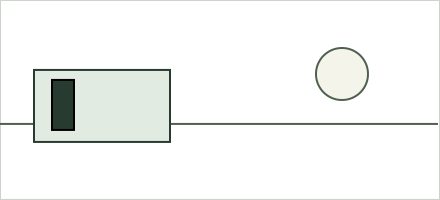
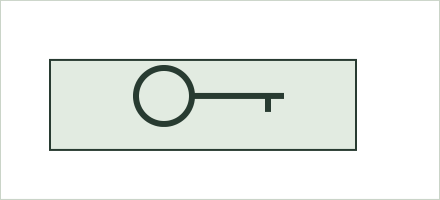
In Last Ferry, workshop master 2A establishes Mara and Isaac, key insert 2B identifies the prop and reaction 2D shows the hesitation. Reuse these IDs in the shot list so that a revision can be followed across documents.
Build a six-panel sequence
Try six selected frames: workshop master 2A, key insert 2B, Mara’s reaction 2D, Isaac’s reverse 2E, lamp switch 2C and ferry wide 3A. The full shot list also includes the pier walk and final reaction. Six panels are a review exercise, not a requirement to remove those shots from the film.
Under each image record shot ID, framing, visible action, camera movement and any sound cue needed to understand the cut. Keep dialogue separate from camera movement. Use arrows with labels: an unlabeled arrow could mean a moving actor, a pan or a change of focus.
For an animation storyboard, identify the key pose and readable action before polishing the drawing. In a music video, reference the musical cue or timecode and separate performance coverage from narrative scenes. For marketing or product video, check that the product and essential message remain legible in the actual delivery frame. These are adaptations of the same planning method, not separate downloadable presets.
Choose the frame before drawing
A 16:9 storyboard and a 9:16 storyboard allocate space differently. Choose the intended delivery format first, then test faces, important props and text inside that frame. Cropping a horizontal composition after approval can remove the action that made the shot work. A square social version may need an alternative composition.
The Mooiev storyboard tool offers editable frames and PDF output. The production library also has PDF, Excel and Google Sheets planning documents. A spreadsheet is useful for notes and IDs; use the visual storyboard tool when the image sequence is the central task.
Check the sequence with someone else
Read the panels without the script and ask what happens, whose attention changes and where the next shot begins. Missing geography or an unexplained prop usually needs a clearer frame, not a longer caption. If timing is the uncertainty, assemble a separate animatic before treating the boards as a locked plan.
Use the production documents
Storyboard
Fictional short-film example · replace production details before use.
| Scene | Shot | Framing | Action | Lens | Camera movement | Sound |
|---|---|---|---|---|---|---|
| 2 | 2A | Wide | Mara finds the key beside the recorder. | 24 mm | Locked off | Room tone |
| 2 | 2B | Close-up | Mara finds the key beside the recorder. | 50 mm | Locked off | Leave the key on the bench. |
| 2 | 2C | Medium | Isaac turns off the workshop light. | 35 mm | Slow pan | Room tone |
Read next
How to Make a Shot List: Script, Coverage and a Worked Example
Build a practical film shot list from a script. Compare scene order with shooting order, plan interview or wedding coverage, and use editable examples.
What Is an Animatic? Storyboard Timing with a Short-Film Example
Understand the difference between a storyboard and an animatic. Plan timing, temporary sound and revisions before committing to a more expensive shoot or animation.